What to Expect During a Bicycle Accident Lawyer Consultation

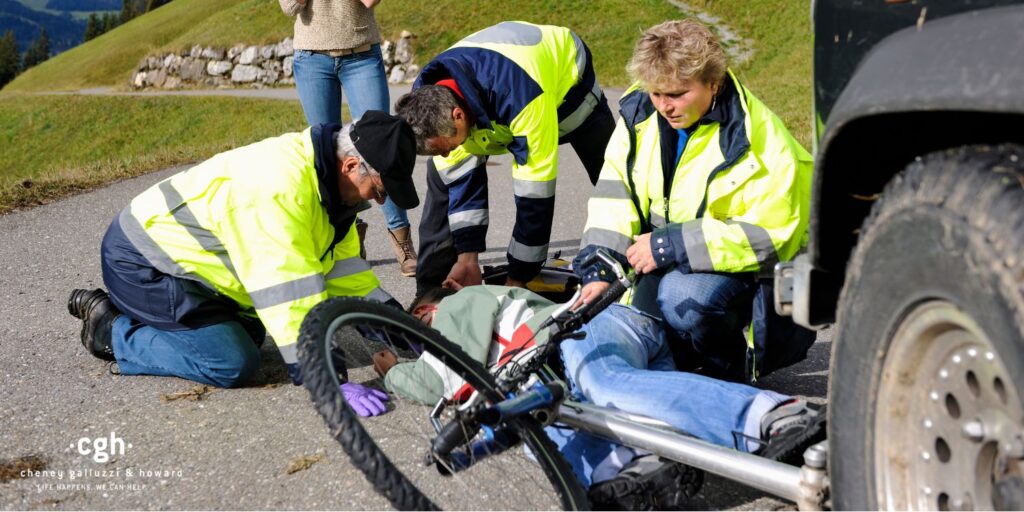

A first meeting with a lawyer after a bicycle crash tends to happen at an awkward moment. You may still be in pain. Your bike may be damaged or unusable. You might be fielding calls from an insurance adjuster who sounds friendly but seems to want very specific answers, very quickly. On top of that, you are being asked to sit down and discuss legal strategy when what you really want is your normal routine back.
That is exactly why the consultation matters.
A good bicycle accident lawyer consultation is not a sales pitch dressed up as advice. It should be a working session. The lawyer learns how the crash happened, what injuries and losses followed, whether fault is disputed, and what insurance coverage may be available. You should leave with a clearer sense of whether you have a viable claim, what problems may complicate it, how long the process may take, and whether this is someone you trust to handle a case that could affect your finances and your recovery for months or even years.
The consultation also gives you something equally important: context. Many injured cyclists walk into that meeting assuming their case is either obviously strong or hopeless. Real cases are rarely that simple. A driver may have made an unsafe turn, but there may also be a dispute about visibility, lane position, road design, helmet use, or whether the cyclist had lights on at dusk. A lawyer who handles bike injury cases regularly will start sorting through those issues right away.
Why the first meeting feels more detailed than people expect
People often imagine they will tell the story of the crash in a few minutes, hand over a police report, and hear a quick yes or no. In practice, a meaningful consultation is more textured than that. Bicycle collisions tend to involve more moving parts than a standard rear-end car accident. The rider is exposed. Injuries can be severe even at modest speeds. Property damage may include a high-value bike, custom components, electronics, helmets, clothing, and gear. Witnesses often have partial views. Police reports can be helpful, but they are not always complete or accurate.
Because of that, an experienced Bicycle Accident Lawyer usually starts by slowing the story down.
You may be asked where you were riding, what traffic controls were present, whether there was a bike lane, how fast traffic was moving, what the weather and light conditions were, and whether you were commuting, training, or running an errand. Those details are not idle curiosity. They help frame liability, visibility, and credibility. If the collision happened at an intersection, for example, the lawyer will want to know the sequence of lights, turns, and lane changes. If it happened on a shoulder or road edge, the condition of the pavement may matter. If a parked car door opened into your path, the conversation may shift toward whether there were any warning signs, where the rider was positioned, and how quickly events unfolded.
A lawyer who knows these cases well will also pay attention to what is missing. If no one photographed the scene, nearby businesses may have surveillance footage, but only for a short retention period. If your bike was repaired before being documented, important evidence about impact angle or force may be harder to preserve. If you gave a recorded statement to the insurer while medicated or before the full injury picture emerged, that can affect later negotiations. Part of the consultation is identifying those gaps early enough to do something about them.
What the lawyer will ask you about the crash
Most consultations begin with the basic chronology, but the better ones do not stop there. You will likely be asked to walk through the collision from several angles, first in plain language, then with more precise follow-up.
The lawyer may ask when you first saw the vehicle, what you did to avoid impact, whether you heard brakes or a horn, and where you landed afterward. They may ask whether you struck the windshield, hood, side panel, or ground first. That can sound unusually granular if you have never been through litigation before, but these details matter. Injury patterns often line up with the mechanics of the crash, and inconsistencies between physical evidence and a driver’s account can become powerful in settlement discussions.
Do not worry if your memory is imperfect. That is common, especially with concussions, shock, or traumatic events. A careful lawyer does not expect a polished narrative. They expect fragments, uncertainty, and details that sharpen over time as records come in. What matters is honesty. If you do not remember whether the traffic light was fully green or changing, say so. A consultation is the worst place to guess confidently and create a fact that later becomes a problem.
Lawyers also listen for practical markers that suggest the case may need fast investigation. A commercial vehicle, rideshare driver, municipal road issue, or hit-and-run can all change the evidence and insurance picture. So can a severe injury that may justify substantial damages but requires extensive medical proof. The earlier the lawyer identifies those issues, the more options you tend to have.
Expect a serious conversation about injuries, not just the impact
Many people assume the legal question is mostly about who caused the crash. Liability is central, but damages are what turn fault into a claim with actual value. That means the consultation will spend time on your injuries, treatment, and how the crash disrupted your life.
The lawyer will usually ask what injuries were diagnosed, where you first received care, whether you were transported by ambulance, and what treatment has followed. They may ask about emergency department records, imaging, orthopedic visits, physical therapy, neurological symptoms, headaches, numbness, scarring, sleep problems, and limitations on work or daily activity. If you had prior injuries to the same body part, that is likely to come up too. That question can feel uncomfortable, but it is routine and important. Insurance companies often search for preexisting conditions, and a strong lawyer wants to understand the issue before the adjuster uses it against you.
This part of the consultation is often where cyclists realize the case is not just about the day of the crash. A broken wrist may mean time off work, canceled childcare help, lost race fees, reduced ability to type, lift, drive, or cook. A shoulder injury can affect sleep for months. A concussion can interfere with concentration, deadlines, and exercise tolerance long after bruises fade. In my experience, clients frequently understate these losses at first because they are trying to be stoic. A good lawyer will ask enough follow-up questions to get a realistic picture.
That realism cuts both ways. If treatment was minimal, if there was a long gap before seeing a doctor, or if symptoms resolved quickly, a lawyer should say that may limit the claim’s value. A useful consultation is not one where everything sounds dramatic. It is one where the lawyer separates what is provable from what merely feels unfair.
The documents and information worth bringing
You do not need a perfect file to have a productive meeting. Still, a consultation goes better when the lawyer can review a few key materials. If you have them, bring or send these items:
- the police or traffic collision report, if one exists
- photos of injuries, the bicycle, gear, vehicle damage, and the scene
- insurance information for all involved parties, including auto, health, and any uninsured or underinsured coverage you may have access to
- medical records, discharge papers, bills, or at least the names of providers you have seen
- any messages, emails, or claim numbers from insurance adjusters
If you are missing some of those, do not let that stop you from scheduling the consultation. Missing documents are common, and one role of a Bicycle Accident Lawyer is helping gather evidence that clients cannot easily obtain on their own. What does help is organization. Even a simple folder of screenshots, photos, and notes can save time and improve the quality of the lawyer’s initial assessment.
One practical suggestion that often pays off is to write down your own timeline before the meeting. Keep it factual. Include the date of the crash, when you sought treatment, days missed from work, major symptoms, and every insurance contact you have had. People forget dates faster than they expect, especially when they are juggling appointments and pain medication.
How fault is evaluated in a bicycle case
The consultation is also where the lawyer starts pressure-testing liability. Some cases are straightforward. A driver turns left across a cyclist’s path, opens a door without checking, or drifts into a bike lane. Others are more disputed. Maybe the driver says the cyclist was riding too far into the lane. Maybe there was poor lighting. Maybe there is no neutral witness. Maybe the officer did not issue a citation. None of those facts automatically end a claim, but they shape how the case will be built.
The lawyer may discuss comparative negligence, which in many jurisdictions means that fault can be shared. If a cyclist is found partly responsible, recovery may be reduced by that percentage, and in some states certain fault thresholds can bar recovery entirely. This is one reason consultations often feel more nuanced than injured riders expect. You can have a valid case and still face serious arguments from the other side.
Road design and local cycling laws may come up too. Was the rider allowed to take the lane? Was there debris forcing a safer line outside the bike lane? Was the bike lane itself obstructed? Did the driver violate a safe passing law? These are not abstract details. They often shape whether the story sounds like a careless cyclist in traffic or a vulnerable road user put in a no-win position.
A seasoned lawyer will usually avoid making grand promises at this stage. If someone tells you in the first ten minutes that your case is a guaranteed six-figure result without reviewing records, insurance limits, or legal issues, that should raise concern. Credible lawyers tend to speak in terms of strengths, risks, and next steps.
The role of insurance, and why it dominates many consultations
For better or worse, many injury cases are constrained as much by insurance as by fault. You may have a strong liability case and significant injuries, but the available coverage can still limit recovery. That is why one of the most important parts of the consultation involves identifying every possible insurance source.
The driver’s bodily injury liability coverage is the obvious starting point, but not always the only one. Depending on the circumstances and jurisdiction, there may be coverage through your own auto policy, a household family member’s policy, an employer policy, a commercial vehicle policy, or a property owner’s policy. If a roadway defect contributed, a governmental claim process may be involved, which introduces short deadlines and procedural traps. If the driver was working, a company policy may come into play. If the driver was uninsured or underinsured, the analysis shifts again.
This is where many clients first understand why they should not rely solely on what the at-fault driver’s adjuster says on the phone. Adjusters rarely volunteer every angle that could benefit you. Their job is to resolve claims efficiently and economically. Your lawyer’s job is to identify coverage and protect claim value.
The consultation may also cover medical bill issues. Some clients assume a settlement, if it happens, simply drops into their bank account. It does not work that way. Health insurers, medical lien holders, providers, or government programs may have reimbursement rights depending on the jurisdiction and how treatment was paid. A competent lawyer should explain that at least in broad terms during the initial meeting, especially if the injuries are serious.
What the lawyer is evaluating about you, not just your case
This can surprise people, but the consultation is not only your chance to assess the lawyer. The lawyer is also assessing whether you will be a credible, consistent, and practical client.
That does not mean they expect perfection. It means they are looking at whether your account is internally consistent, whether your treatment aligns with your claimed symptoms, whether you seem willing to follow medical advice, and whether there are obvious credibility problems that could damage the case. Social media posts, prior claims, criminal history in some contexts, and contradictory statements can all become issues later. A good lawyer may raise them early, not to judge you, but to understand what the defense will likely try to exploit.
They are also thinking about fit. Some cases require months of documentation, negotiation, and potentially litigation. If communication is already strained at the consultation stage, that is worth noting on both sides. You want a lawyer who answers questions clearly and directly. The lawyer wants a client who understands that legal claims move at the pace of records, treatment, insurance review, and sometimes court scheduling, not personal urgency.
Fees, costs, and the financial side of hiring counsel
Most bicycle injury lawyers handle these matters on a contingency fee, which usually means the lawyer is paid a percentage of the recovery rather than an hourly rate. That often makes legal help accessible to injured cyclists who could not realistically fund a claim by the hour while out of work or facing medical expenses.
Still, this part of the consultation deserves careful attention. Fee percentages vary. Case costs are separate from fees in many agreements. Costs can include filing fees, medical record charges, deposition expenses, investigator work, expert review, and other litigation outlays. In some cases those costs are advanced by the firm and reimbursed from the recovery. In others, the language is more complicated. Ask exactly how it works.
You do not need to become adversarial about the contract, but you should understand it. A professional lawyer will not be offended by practical questions. In fact, clear fee discussions usually signal a well-run practice.
These are useful questions to ask before you sign anything:
- who will actually handle the case day to day, the lawyer you met, another attorney, or a case manager
- how often you should expect updates and who will respond to routine questions
- whether the firm expects to negotiate only, or is willing to file suit if needed
- how fees and case costs are calculated, and what happens if there is no recovery
- what the lawyer sees as the main strengths and weaknesses of your claim right now
That short conversation can tell you a lot. Some firms are excellent litigators but less hands-on with communication. https://charlienyvd195.focalledger.com/posts/bicycle-accident-lawyer-help-for-fracture-and-orthopedic-claims Others are highly responsive in the early stage but structured to settle quickly. Neither model is automatically wrong, but you should know which one you are hiring.
How long the consultation usually takes, and what happens after
A solid initial consultation can run anywhere from about thirty minutes to well over an hour, depending on injury severity, complexity, and how much information is available. If the case involves hospitalization, disputed fault, a hit-and-run, or multiple insurance layers, the lawyer may need more than one conversation before offering a firm recommendation.
At the end of the meeting, several outcomes are possible. The lawyer may agree to take the case immediately. They may ask for records, photos, or policy information before deciding. They may advise you to continue treatment and check back once your medical picture is clearer. Or they may decline the case, often because liability is too weak, damages are too limited to justify litigation, or insurance appears insufficient relative to the cost of pursuing the claim.
A decline is not always a statement that nothing wrong happened. Sometimes it reflects economics rather than justice. A soft-tissue injury with a brief course of care and minimal lost wages may be real, but not practical for a contingency-fee lawsuit. A candid lawyer should explain that distinction rather than dressing it up.
If the firm does take the case, they will typically begin by sending letters of representation, preserving evidence, collecting records, and directing insurers to communicate through counsel. That alone often reduces stress for injured cyclists, because it stops the constant flow of adjuster calls and lets them focus on treatment.
Red flags to watch for during the meeting
Not every consultation is equal. Some are thoughtful and specific. Others feel rushed, generic, or oddly optimistic. Trust your instincts, but ground them in substance.
Be cautious if the lawyer barely asks about your injuries, does not seem interested in insurance coverage, or makes broad promises before reviewing basic documents. The same goes for pressure to sign immediately without discussing fees, costs, or likely case obstacles. A bicycle crash claim may involve serious money and serious uncertainty. If the conversation leaves no room for uncertainty, something is probably off.
Another warning sign is unfamiliarity with bicycle-specific issues. A lawyer does not need to be a racer or daily commuter to handle these cases well, but they should understand common collision patterns, bike damage valuation, visibility disputes, helmet and equipment arguments, and the physical realities of rider injuries. A carbon road bike snapped at the fork, a commuter e-bike with integrated electronics, and a child trailer setup all create different evidentiary and damages questions. Those details matter.
What you can do to make the consultation more useful
You do not need legal fluency to help your own case. You need accuracy, preparation, and restraint. Bring what you have. Be candid about what you do not know. Avoid exaggeration. If your shoulder pain is sporadic, say sporadic. If you were not wearing bright gear at dusk, say that too. Your lawyer can handle difficult facts far better than hidden facts.
It also helps to separate emotion from chronology. Anger at the driver may be justified, but the lawyer needs the sequence, the treatment history, the evidence, and the insurance picture. If you can present those cleanly, the meeting becomes far more productive.
Finally, remember what the consultation is for. It is not just about whether you can file a claim. It is about whether this lawyer can guide a case from uncertain beginnings to a credible resolution. The best consultations do not leave you dazzled. They leave you informed, steady, and clearer about what comes next.
That clarity is valuable even if you decide not to hire the first lawyer you meet. A bicycle crash can alter your health, work, and mobility in ways that are hard to grasp in the first few weeks. The right consultation helps you see the legal side of the problem at the same scale as the physical one, not bigger, not smaller, just accurately. And accuracy, early on, is often the difference between a claim that drifts and one that is handled with purpose.
CGH Injury Lawyers
2701 Lawrence St Suite 201
Denver, CO 80205, United States
Phone: +1 720-669-8062
FAQ About Bicycle Accident Lawyer
Who is at fault if a car hits a bicycle?
Fault depends on the evidence and the traffic rules that applied to the collision. A driver, cyclist, or another party may share responsibility. Police reports, witness accounts, video, and the physical evidence can help establish what happened. A collision with a car does not automatically determine legal fault.
Can you sue someone for hitting you on a bike?
You may have a claim when another person's negligent conduct causes your injuries and losses. The available evidence, applicable deadlines, insurance coverage, and any shared fault affect your options. A lawyer can review the circumstances and explain whether an insurance claim or lawsuit is appropriate; compensation is not guaranteed.
What percentage does an injury lawyer usually take?
There is no single percentage that applies to every injury case. Many lawyers use a contingency fee based on a share of the recovery, with the terms stated in a written agreement. Ask how the percentage is calculated, whether it changes during litigation, and how case expenses are handled before signing.