What Every Injured Rider Should Ask a Bicycle Accident Lawyer

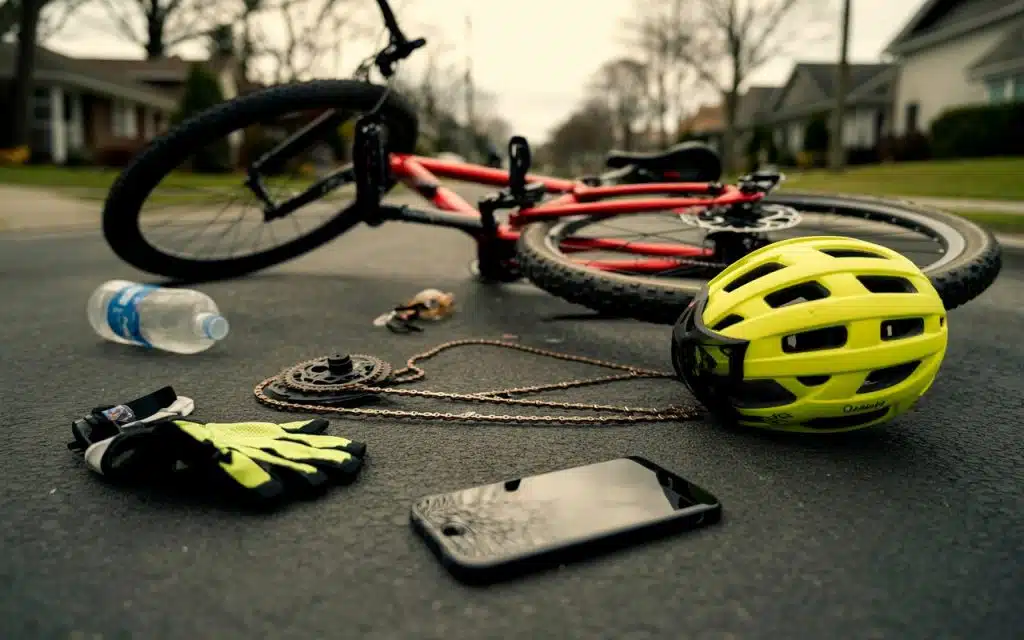
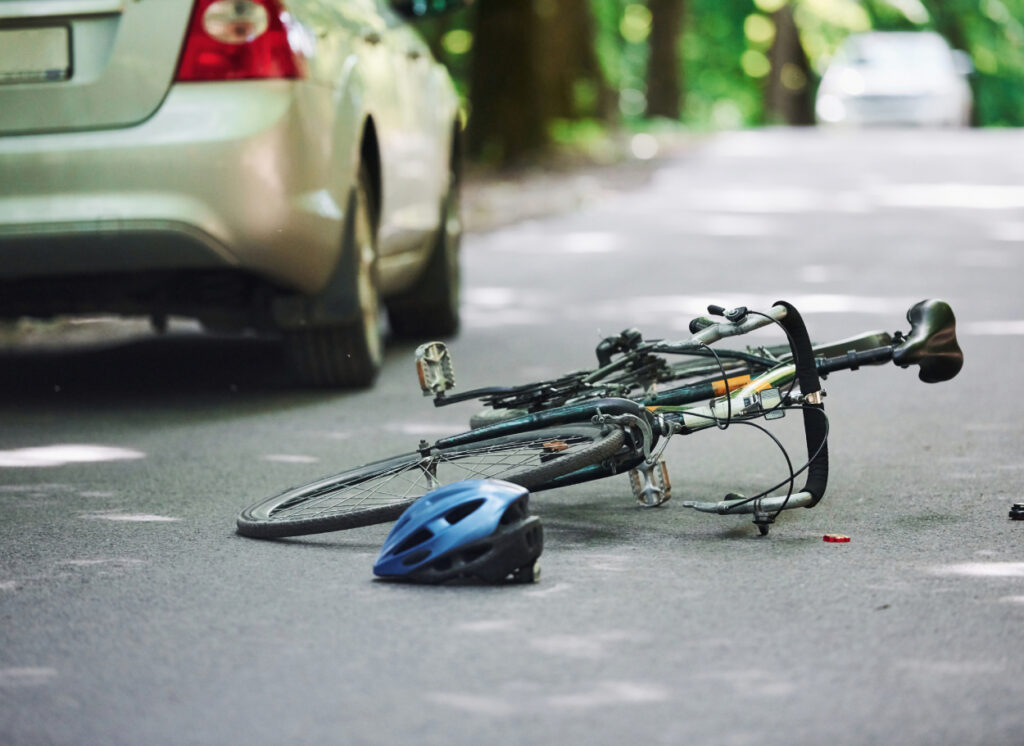
A bicycle crash can rearrange your life in less time than it takes a driver to glance at a phone. One moment you are riding a route you know by heart, the next you are on the pavement trying to sort out what hurts, whether your bike is totaled, and why the driver keeps saying, “I never saw you.” In the days that follow, the practical problems pile up fast. Medical bills arrive. Work gets missed. An insurer calls before you have even had a proper follow-up appointment. If the injuries are serious, you may also be dealing with surgery, physical therapy, headaches, sleep problems, or the kind of fear that makes it hard to get back in the saddle.
That is the point where many riders start looking for a Bicycle Accident Lawyer. Not because they want a fight for the sake of it, but because they need clear answers from someone who understands how bike crash claims actually work. A good lawyer does more than file paperwork. They evaluate fault, preserve evidence, deal with insurers, and explain the value and risk of each decision before you make it.
The key is knowing what to ask. The right questions can tell you very quickly whether you are speaking with someone who understands bicycle cases in a practical way, or someone who treats a bike crash as just another traffic file.
The first question is not about fees
Most people assume the first thing to ask is, “What do you charge?” Fees matter, but they are not the best starting point. The better opening question is whether the lawyer has handled bicycle crash claims with injuries similar to yours. That answer reveals far more about how your case is likely to be handled.
A rider with road rash and a broken wrist has a different case from a rider with a traumatic brain injury, a cervical spine injury, or a complicated fracture requiring hardware. The mechanics of proving the claim may overlap, but the medical records, expert needs, future damages, and insurer resistance can differ dramatically. A lawyer who has handled several bike cases involving concussion symptoms, delayed soft tissue complaints, or disputes over lane positioning will usually spot issues early that others miss.
Experience in cycling cases also matters because the defenses tend to be predictable. Insurers often argue the rider was hard to see, rode outside the bike lane, failed to use lights, moved unpredictably, or accepted a known risk by riding in traffic. Some of those arguments collapse under close scrutiny. Others require careful evidence gathering. A lawyer with real bicycle case experience will usually talk comfortably about sight lines, right hooks, left crosses, dooring incidents, road defects, helmet damage, GPS ride data, and how cyclists are expected to position themselves for safety, not merely for optics.
Ask how the lawyer will evaluate fault, not just whether they think you have a case
A quick “yes, you may have a claim” does not tell you much. Nearly every injured person may have a claim of some kind. The more useful question is how fault will actually be analyzed.
Fault in a bicycle crash is rarely just a matter of who says what at the scene. Good case evaluation looks at the police report, witness statements, vehicle damage, bike damage, body position, skid marks if any exist, traffic camera footage, nearby business surveillance, intersection design, lighting conditions, and medical documentation that matches the force and mechanics of the impact.
If a driver turned across your path, the timing of the light cycle may matter. If a parked driver opened a door into your lane, the width of the parking lane and bike lane may matter. If you struck a pothole and then were hit by a vehicle, road maintenance records may matter. If you were riding outside a marked bike lane to avoid debris, storm grates, or a dangerously narrow lane, the lawyer should be able to explain why that may have been lawful and prudent.
This is one of the moments when a skilled Bicycle Accident Lawyer separates themselves from a general practitioner. They should be able to discuss comparative fault realistically. In many places, even https://stephendqly073.summitviewdaily.com/posts/how-a-bicycle-accident-lawyer-protects-your-rights-from-day-one if the rider shares some blame, recovery may still be possible, though the amount can be reduced. That is not a pleasant answer, but it is an honest one. You want honesty early, not cheerleading followed by a disappointing settlement months later.
Ask what evidence should be preserved right now
Timing can change the value of a case. Surveillance footage gets overwritten. Witnesses forget details. Damaged bikes get repaired or discarded. Drivers change their story after speaking to insurers. If you ask only one practical question in the first consultation, make it this one: what needs to be preserved immediately?
The best answers are specific. Your lawyer may want photographs of the bike from every angle, your helmet, shoes, torn clothing, and visible injuries over time. They may ask for your ride computer data, smartwatch information, or a Strava file to confirm speed, route, and timing. They may want the names of nearby businesses with cameras, or to send a preservation letter before footage disappears. They may ask you not to repair the bike yet, especially if the damage pattern could help show angle of impact.
I have seen damaged helmets dismissed by adjusters as “cosmetic” until a proper set of photos, paired with treatment records and a neurologist’s notes, made clear the rider sustained a head injury. I have also seen strong liability cases weaken because no one moved fast enough to secure a convenience store camera that captured the collision perfectly. In bike cases, evidence has a short shelf life.
Ask whether your injuries fit the story the records will tell
This sounds blunt, but it matters. A case is often only as strong as the medical story supporting it. That does not mean your pain is doubted. It means insurers and defense lawyers look for gaps, delays, inconsistencies, and alternative explanations.
If you waited ten days to seek treatment because you thought you were just bruised, say so plainly. Many riders do exactly that. Adrenaline is real. Some symptoms, especially concussions, neck injuries, and soft tissue damage, show themselves over time. A good lawyer will tell you how that delay may be viewed and what medical follow-up can do to document the progression honestly.
The same applies if you had a prior injury. A preexisting shoulder problem does not erase a new crash-related tear or aggravation. But it does mean your lawyer should be prepared to separate the old baseline from the new damage. That takes records, careful chronology, and often a treating physician willing to explain what changed after the crash.
The point is not to shape your medical care for litigation. It is to make sure your treatment history accurately reflects what happened to your body. When records are thin, vague, or inconsistent, insurers exploit the gaps. When records are careful and timely, settlement discussions look very different.
Ask who will actually handle your case day to day
Many injured riders hire a firm after speaking with a polished senior lawyer, only to find their case handed to a case manager or junior associate they never expected. That structure is not automatically bad. Large firms can have excellent systems. But you need to know who will be doing the real work.
Will the lawyer you meet be negotiating with the adjuster? Reviewing medical records? Deciding when the case is ready for a demand package? Preparing for litigation if settlement talks stall? If the case requires filing suit, who takes the lead then?
This question matters because bicycle cases often need thoughtful handling, not just volume processing. A lawyer who understands the rhythms of treatment, the significance of specialist recommendations, and the practical cost of replacing a performance bike is more likely to tell your story well. If your case involves a high wage loss, a disputed concussion, or a road design issue, careful attention matters even more.
Ask how damages will be valued beyond the emergency room bill
A surprising number of riders underestimate their own losses. They focus on the ambulance ride, the emergency department, and perhaps a few weeks off work. But bike crashes often create a wider set of damages that deserve careful review.
Medical expenses are only one slice. There may be future treatment, physical therapy, imaging, follow-up care, medications, and out-of-pocket costs for braces, co-pays, or travel to specialists. Lost income can include more than missed paychecks. It may include used vacation time, reduced hours, missed contracts, or loss of business opportunities for self-employed riders. Then there is property damage. A carbon frame can hide structural damage that makes replacement necessary even when the bike looks salvageable to a non-cyclist. Components, wheelsets, power meters, helmets, glasses, lights, and clothing add up quickly.
Pain and suffering, or non-economic damages, are also real, though harder to quantify. A rider who cannot commute, train, carry children on a cargo bike, or return to club rides after a crash has lost more than receipts can show. The challenge is translating that loss into a documented claim that is credible rather than exaggerated.
A good lawyer should be able to walk you through how these categories are usually valued and where the friction points lie. If they give you a giant number immediately, be cautious. Serious cases can be worth a great deal, but early certainty often signals salesmanship rather than judgment.
Ask about the role of insurance, including your own
Many riders assume the driver’s insurance is the whole story. Sometimes it is not. Depending on the facts and your jurisdiction, there may be several layers of potential coverage. Your own auto policy may provide uninsured or underinsured motorist coverage even if you were on a bicycle, not in a car. A household family member’s policy may matter in some circumstances. There may be medical payments coverage. Health insurance may pay bills up front but later assert reimbursement rights. If a road defect contributed, a public entity may be involved, which can trigger special notice deadlines.
This is where practical legal advice becomes valuable quickly. An injured rider needs to know not only what insurance exists, but how one claim can affect another. Settlement with one party may require preserving rights against another. Recorded statements can create problems if given too casually. Reimbursement claims from insurers, hospitals, or benefit plans can affect how much money ends up in your pocket after settlement.
An experienced Bicycle Accident Lawyer should explain this in plain English. Not every possibility will apply in your case, but they should know what to check and what deadlines can trap the unwary.
Ask what happens if the driver says you caused the crash
This question gets to the heart of litigation risk. Many drivers who clearly made a dangerous move still insist the cyclist came out of nowhere. Some truly did not see the rider. Others reconstruct the event in a way that helps them sleep at night or protects them from blame. Either way, your case has to survive that version of events.
The lawyer should explain how conflicting stories are tested. Independent witnesses carry weight. Vehicle damage can support or undermine a driver’s account. Bike computer data may show a steady line and predictable speed. Photos of the scene may reveal that the rider was highly visible. In urban areas, timing of signals can be matched against traffic patterns and timestamps. In some cases, accident reconstruction is worth the cost. In others, it is not.
What you are really asking is whether the lawyer can tell the difference between a clean liability case, a winnable disputed case, and a case with enough factual risk that settlement strategy must be calibrated carefully. That judgment is one of the most valuable things a lawyer brings.
Five questions that often reveal the quality of the consultation
- Have you handled bicycle crash cases involving injuries like mine?
- What evidence should we preserve before it disappears?
- How do you see fault being argued by the other side?
- What insurance coverage should be investigated besides the driver’s policy?
- If the case does not settle, are you prepared to file suit and try it?
These questions are short, but the answers should not be. If each one gets a vague response, keep looking.
Ask how litigation changes the timeline and the value discussion
Not every case needs a lawsuit. Many settle through insurance claims after treatment stabilizes and records are assembled. But some do not, especially where liability is disputed, injuries are substantial, or the available policy limits are in question.
You want to know what filing suit would mean in practical terms. How long might it take? What costs tend to arise? At what point do depositions happen? Will your doctors need to testify? How often do cases like yours settle before trial? There are no guarantees, and any lawyer who offers them is doing you a disservice. Still, they should be able to describe the terrain.
This is also the place to ask about litigation costs and how they are handled. Expert fees, filing fees, medical record charges, deposition transcripts, and other expenses can matter. In a modest injury case, aggressive litigation spending may make little economic sense. In a serious injury case, spending on the right experts can transform the outcome. A seasoned lawyer will discuss that trade-off candidly.
Ask how your own actions after the crash may affect the case
By the time riders call a lawyer, some of the case has already been built by what they did or did not do. Maybe they gave a recorded statement. Maybe they posted photos from a weekend barbecue while still treating for a shoulder injury. Maybe they skipped therapy because of work and now the records say “noncompliant.” Maybe they repaired the bike and threw away the cracked helmet.
A good lawyer should not scold you. They should assess the impact and help you avoid making it worse. One honest, practical conversation here can save a lot of trouble later.
There are a few habits that usually help:
- Keep every receipt, record, photo, and piece of damaged gear.
- Follow medical advice consistently, or document why you could not.
- Avoid discussing the crash or your injuries on social media.
- Do not let an insurer record a statement without legal advice if liability is disputed.
- Write down what you remember while the details are still fresh.
That is not about gamesmanship. It is about preserving a truthful record before memory fades and paperwork scatters.
Ask whether the lawyer understands the cycling context, not just the legal file
This point gets overlooked, but it matters. Bicycle crashes are shaped by details that non-cyclists often miss. A rider may take the lane because the shoulder is full of debris. A downhill segment may produce perfectly reasonable speeds that sound alarming to someone who has never ridden it. A left-turn lane can put a cyclist in a vulnerable position that looks odd on paper but is entirely predictable in real traffic. Clipless pedals, bright daytime lights, mirror setups, radar units, commuting bags, child seats, e-bikes, and road bike geometry all affect how a crash is explained.
A lawyer does not need to be a racer or a daily commuter, but they should either understand this environment or be willing to learn it quickly. If they treat your lane position, route choice, or equipment as inherently suspicious, they may not be the right fit. By contrast, if they ask sensible questions about road conditions, driver behavior, and riding norms, that is a good sign.
I once watched a property damage dispute turn on a simple issue of bike valuation. The insurer thought in terms of department store bicycles and offered a number that would not have covered one replacement wheel. Once the claim was documented properly, with build specifications and current market estimates, the conversation changed. That kind of misunderstanding is common. Context matters.
Ask how settlement decisions are made
A settlement offer can arrive at a stressful moment. Bills are due. You want certainty. The number may sound large in isolation. But the right question is whether it is fair in light of your prognosis, not whether it feels relieving today.
Your lawyer should be able to explain how they evaluate an offer. That usually includes liability risk, treatment status, permanency, future care, policy limits, witness quality, venue considerations, and the time and cost of litigation. A wise lawyer will also discuss the human side. Some clients want a prompt, clean resolution. Others are willing to wait for a stronger result. Neither instinct is wrong by itself. The decision has to match the facts and your tolerance for risk.
Be wary of the lawyer who insists every offer is insulting and every case should go to war. Be equally wary of the lawyer who pushes the first number because they want the file closed. Good counsel makes room for judgment.
Ask what can weaken a strong case
This is one of the most revealing questions because it invites candor. The lawyer should be able to tell you, without flinching, what could hurt your claim. Maybe it is a delay in treatment. Maybe a witness is unreliable. Maybe the police report is unfavorable. Maybe your injuries are real but difficult to prove with imaging. Maybe the defendant has minimal insurance and no meaningful assets. Maybe a road hazard created a complex multi-cause scenario that muddies liability.
You do not want false reassurance. You want a lawyer who can look at the vulnerable parts of the file early, then build around them where possible. That honesty also helps you make better choices. If your case has limited coverage and uncertain medical causation, a practical settlement may be smarter than a long fight. If liability is excellent and your future treatment is substantial, patience may be worth it.
The right lawyer should leave you calmer, not more confused
After a good consultation, you should not feel dazzled. You should feel informed. The facts may still be hard. Your recovery may still be uncertain. But the path ahead should make more sense than it did before.
The right Bicycle Accident Lawyer will usually do three things well. First, they will listen closely enough to understand how the crash happened and how your injuries have changed daily life. Second, they will identify the legal and evidentiary pressure points without resorting to vague promises. Third, they will give practical next steps that fit your case, whether that means preserving video, continuing treatment, evaluating coverage, or holding off on a settlement discussion until the medical picture is clearer.
When riders ask better questions, they tend to get better representation. That matters because a bicycle crash claim is not just about blame. It is about whether the legal process captures the full cost of what happened to your body, your work, your mobility, and your peace of mind. A careful conversation at the start can shape the entire outcome.
CGH Injury Lawyers
2701 Lawrence St Suite 201
Denver, CO 80205, United States
Phone: +1 720-669-8062
FAQ About Bicycle Accident Lawyer
Who is at fault if a car hits a bicycle?
Fault depends on the evidence and the traffic rules that applied to the collision. A driver, cyclist, or another party may share responsibility. Police reports, witness accounts, video, and the physical evidence can help establish what happened. A collision with a car does not automatically determine legal fault.
Can you sue someone for hitting you on a bike?
You may have a claim when another person's negligent conduct causes your injuries and losses. The available evidence, applicable deadlines, insurance coverage, and any shared fault affect your options. A lawyer can review the circumstances and explain whether an insurance claim or lawsuit is appropriate; compensation is not guaranteed.
What percentage does an injury lawyer usually take?
There is no single percentage that applies to every injury case. Many lawyers use a contingency fee based on a share of the recovery, with the terms stated in a written agreement. Ask how the percentage is calculated, whether it changes during litigation, and how case expenses are handled before signing.